

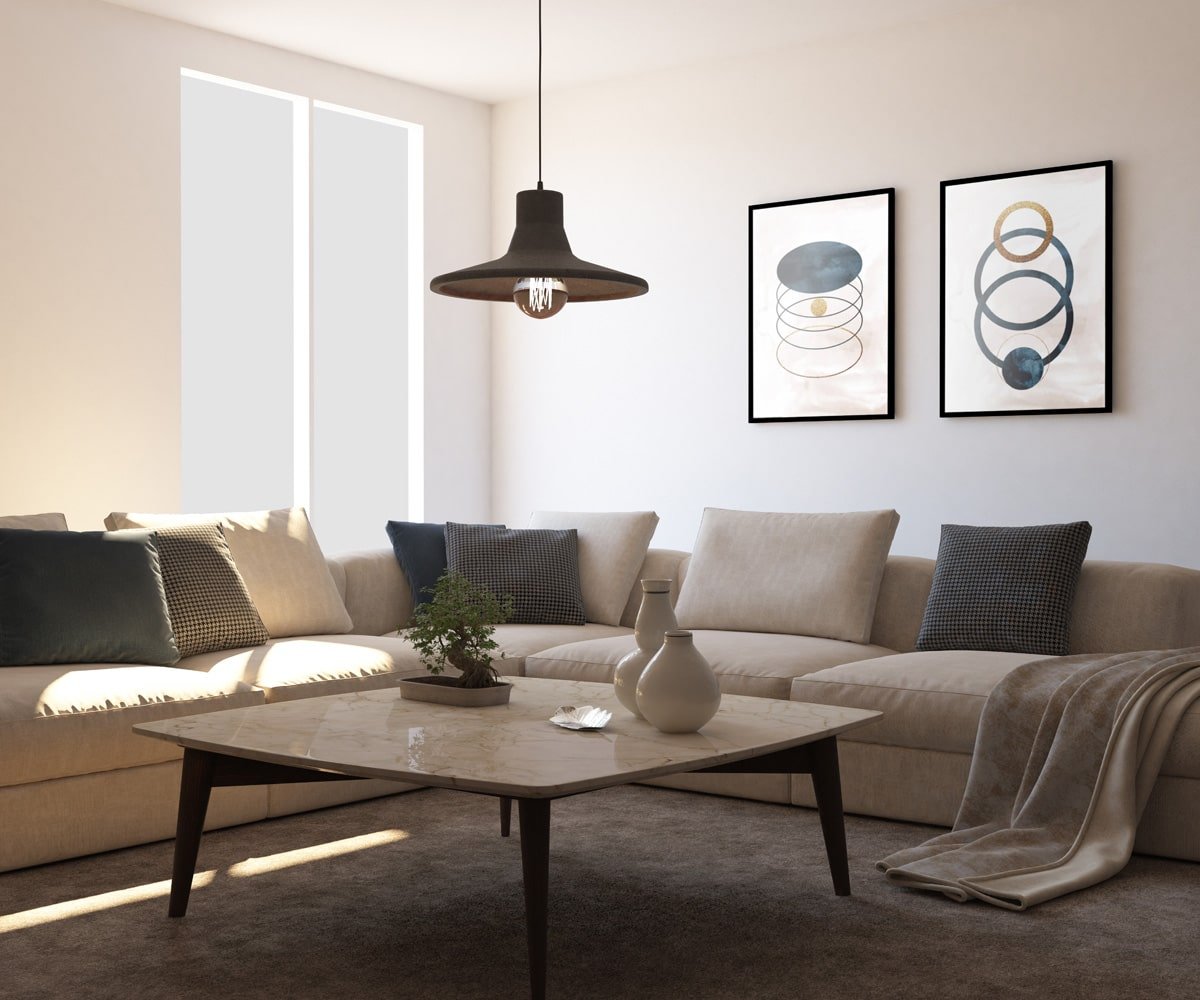
Four Ways for Creating Extra Space in Small Homes

Living in a compact apartment doesn’t mean you have to compromise on style or comfort. At Varahi Interiors, we specialize in “thoughtful design”—the art of making small spaces feel grand and functional. If you feel like your home is shrinking, it’s time to rethink your layout.

Here are four expert-approved ways to create extra space in small homes.


1. Think Vertically: Use Your Walls

When floor space is limited, look up! Most homeowners forget that walls offer massive storage and design potential.

  • Floor-to-Ceiling Shelving: Instead of short bookshelves, install units that go all the way to the ceiling. This draws the eye upward, making the room feel taller.

  • Wall-Mounted Desks: Swap a bulky office table for a sleek, floating desk.

  • Hooks & Pegboards: In kitchens and entryways, hanging items keeps the floor clear and organized.

2. Invest in Multi-Purpose Furniture

In a small home, every piece of furniture must “earn” its place. We recommend choosing items that serve at least two purposes.

  • Storage Beds: Opt for hydraulic or drawer-integrated beds to hide away seasonal linens and luggage.

  • Extendable Dining Tables: Use a small footprint for daily meals and expand it only when you have guests.

  • Ottomans with Storage: These work as a coffee table, extra seating, and a hidden bin for blankets or toys.

3. The Magic of Mirrors and Lighting

You can “create” space visually without moving a single wall. This is a classic trick used by our professional team to brighten up compact flats.

  • Strategic Mirrors: Placing a large mirror opposite a window reflects natural light and creates the illusion of a second room.

  • Layered Lighting: Avoid one single overhead light. Use floor lamps, LED strips under cabinets, and wall sconces to eliminate dark corners that make a room feel small.

4. Optimize “Dead” Zones

Every home has hidden pockets of space that go to waste. A “thoughtful” eye can turn these into functional zones.

  • Under the Stairs: This is the perfect spot for a custom bookshelf, a wine rack, or a tiny powder room.

  • Window Sills: Deep window sills can be transformed into a cozy reading nook or a mini indoor garden.

  • Corner Shelves: Turn awkward corners into display areas for art or essential storage.


Why Choose Varahi Interiors for Your Small Home?

Transforming a small space requires precision and the latest technologies. At Varahi Interiors, we use 3D visualization to show you exactly how your home will look before we start.

Our mission is to provide high-quality designs that don’t just look good in photos but are truly livable for your daily routine. Plus, with our transparent pricing, you can maximize your space without overstretching your budget.


Conclusion

A small home is an opportunity to get creative. By focusing on verticality, multi-functional furniture, and smart lighting, you can turn a cramped apartment into a breathable, beautiful sanctuary.

The Golden Ratio Rule for Best 2D Sketch

Have you ever looked at a 2D floor plan or a room sketch and felt it looked “perfectly balanced,” even if you couldn’t explain why? The secret often lies in a mathematical concept used by artists and architects for centuries.

At Varahi Interiors, we don’t just draw lines; we use “thoughtful design” principles to ensure your home feels harmonious. Here is how we apply the Golden Ratio to create the best 2D sketches for your space.


What is the Golden Ratio in Interior Design?

In simple terms, the Golden Ratio is a proportion that the human eye finds naturally pleasing. In interior design, we often simplify this into the 60/40 Rule. This means that when planning a 2D layout, you divide the space or the furniture arrangement into two parts: one taking up about 60% of the space and the other about 40%.

1. Planning the Furniture Layout (2D Perspective)

When we create a 2D sketch of your living room, we use the Golden Ratio to prevent the room from looking cluttered or empty.

  • The 60% Rule: The main seating area (sofa, rug, coffee table) should occupy roughly 60% of the floor space.

  • The 40% Rule: The remaining 40% should be left for “white space” or traffic flow. This ensures the room is livable and easy to move around in.

2. Balancing Colors and Textures

In a 2D elevation sketch (looking at a wall head-on), the Golden Ratio helps us decide color distribution:

  • 60% Primary Color: Usually for walls and large flooring areas.

  • 30% Secondary Color: For upholstery or large cabinetry.

  • 10% Accent Color: For pillows, art, or hardware.

  • Note: This is a practical variation of the ratio ($60:30:10$) to maintain visual balance.

3. Placing Wall Decor and Cabinetry

In our 2D sketches, we use the ratio to determine where to place windows, art, or TV units.

  • Instead of placing an object exactly in the middle of a wall, placing it at the “Golden Mean” point (about 5/8ths of the way across) creates a much more sophisticated and professional look.

4. Why 2D Sketching with Ratios Matters

Using the Golden Ratio in the sketching phase saves time and money. It allows our professional team to:

  • Detect “visual heaviness” before construction begins.

  • Ensure that furniture sizes are perfectly scaled to the room dimensions.

  • Create a sense of natural “flow” that makes a home feel peaceful.


Designing the “Varahi Way”

At Varahi Interiors, we combine these timeless mathematical rules with the latest technologies. Our 2D sketches are the blueprint for excellence, ensuring that the final high-quality design is exactly what you envisioned.

By applying the Golden Ratio, we transform a simple house into a thoughtful, livable space that feels balanced the moment you walk in.


Conclusion

The best 2D sketches aren’t just about drawing furniture; they are about understanding the relationship between space and the human eye. The Golden Ratio is the invisible tool that turns a good design into a masterpiece.

Want a home that is perfectly balanced?

Let our expert designers create a master plan for you using the best design principles and transparent pricing.